Generate Your own energy and reduce long term costs

Solar is not suitable for every business. It depends on ownership, building characteristics, and how energy is used.

This page is designed to help you quickly understand whether solar is worth exploring further, before any detailed assessment or commitment.

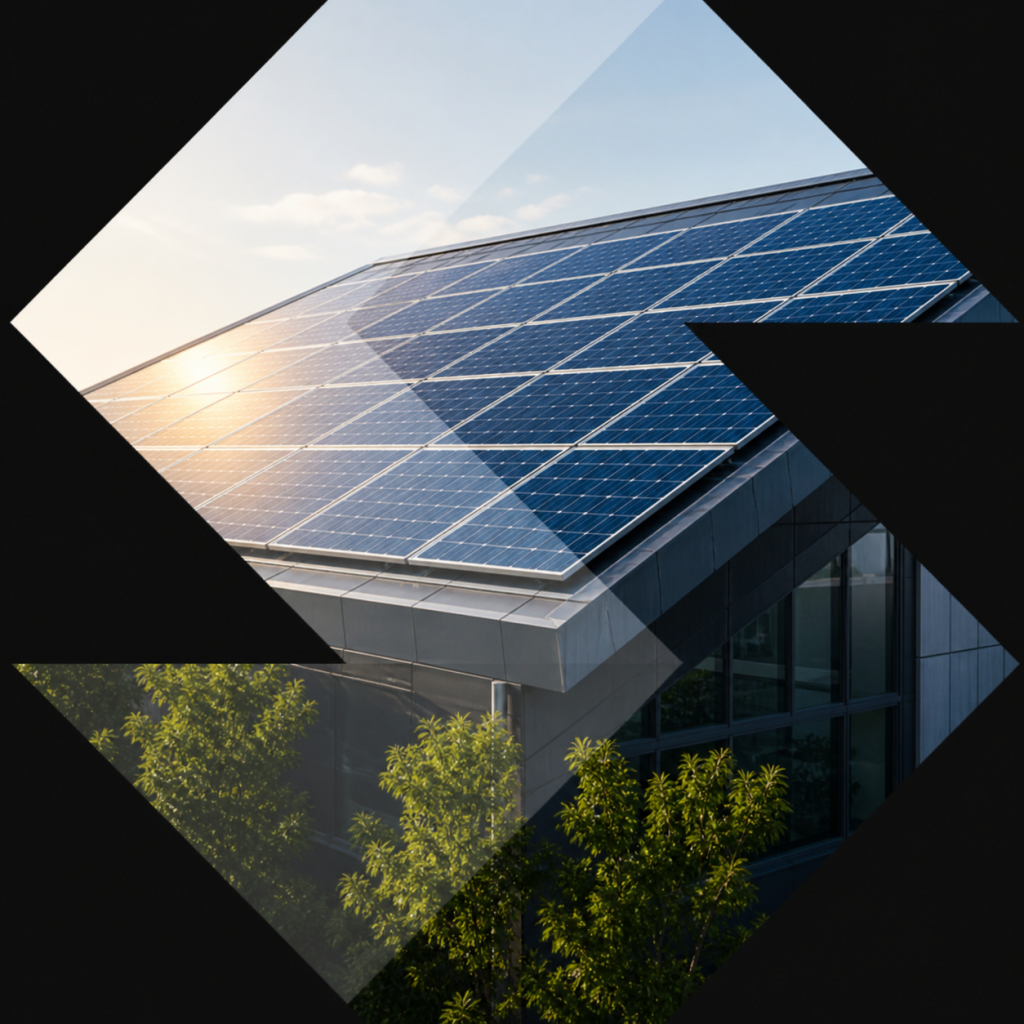
switch4savings 's' logo covering image of solar panel on building

Check if your building is suitable

Fill out the below form and one of our experts will reach out to discuss your solar options.

Start your business review

Complete the fields below. You do not need every detail to begin.

This does not commit you to installation. It allows us to assess whether solar is worth exploring based on your property and usage.

Why Businesses consider solar

For some organisations, energy costs are not just a short-term concern.

They are a long-term operational risk.

Reduce reliance on supplier pricing

Stabilise a portion of their energy costs

Improve log-term cost predictability

What Actually Changes With solar

Installing solar does not replace your energy supply. It reduces the amount you need to purchase from it.

During daylight hours, energy is generated on-site and used directly by your business. Any shortfall is still supplied through your existing contract. In some cases, excess energy can be exported back to the grid.

This creates a blended model, where part of your energy is self-generated and part is externally supplied.

How we assess suitability

The initial check is designed to filter out unsuitable cases early. We look at:

01

Whether you own the building

02

roof space & general property profile

03

Indicative energy usage

When solar tends to make sense

Solar is more likely to be commercially viable where:

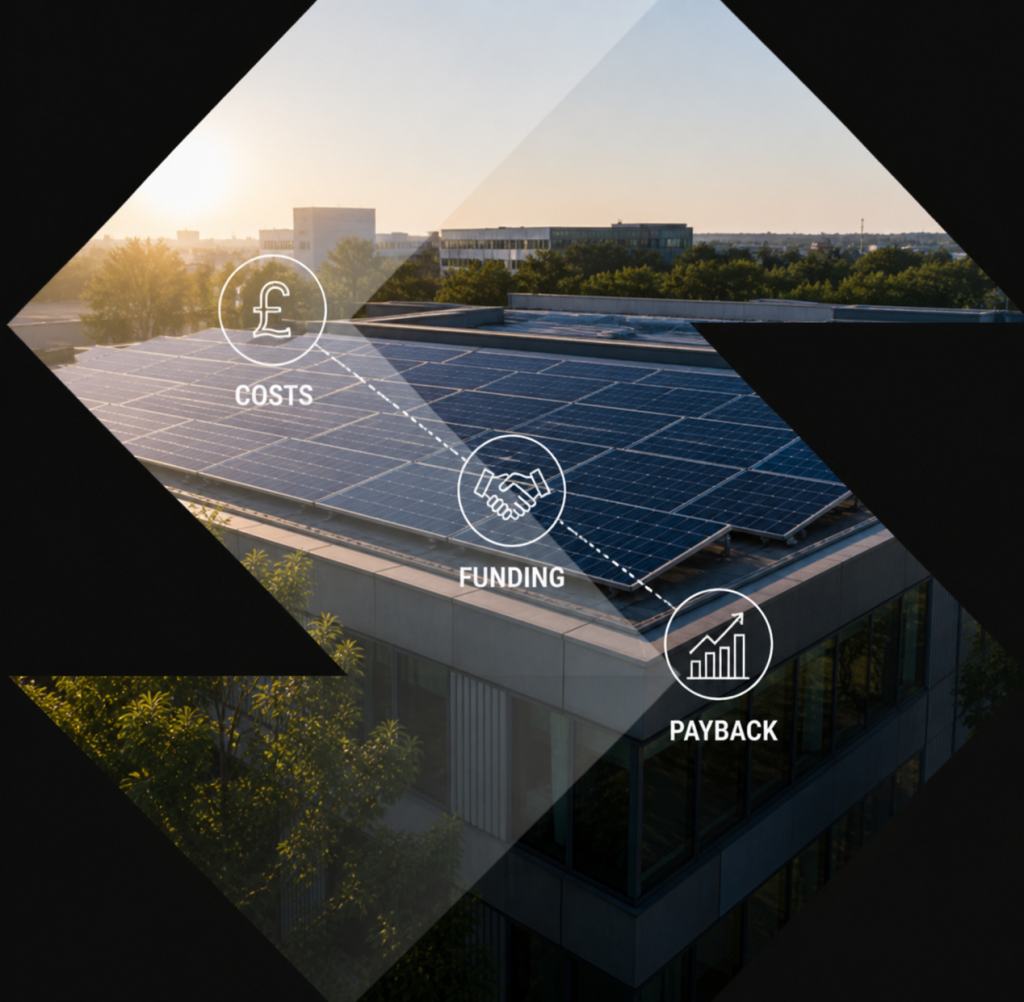
Cost, funding & payback

Solar is often assumed to require significant upfront investment. In practice, this depends on how the installation is structured.

Some businesses choose to fund installations directly. Others explore models where costs are spread or offset through energy agreements.

Payback periods vary based on:

System Size

Energy usage

Site characteristics

market conditions

Solar & Energy Procurement

Solar does not replace the need for an energy supplier. It changes how much energy you need to buy.

For many businesses, the most effective approach is a combination of; on-site generation where viable and a well-structured energy contract for remaining usage.

This allows; greater cost control, reduced exposure to market volatility and more flexibility in procurement decisions.

How this fits into your overall energy strategy

Solar is one of several ways to manage energy costs and risk.

For some businesses, switching suppliers delivers the biggest immediate benefit. For others, solar provides longer-term stability.

The right approach depends on; Your building, usage, appetite for investment and operational priorities.

This is why suitability comes first.

What happens next

If your building appears suitable, the next step is a more detailed review. This may include:


A more precise assessment of roof space

Estimated generation levels

Potential cost reduction over time

If it is not suitable, that is equally valuable. It allows you to focus on other areas, such as supplier switching, without unnecessary delay.

check your solar potential

If you want to understand whether solar is worth exploring for your business, you can start with a quick assessment below.